Controlled mooring for floating structures

Elastic Moorings

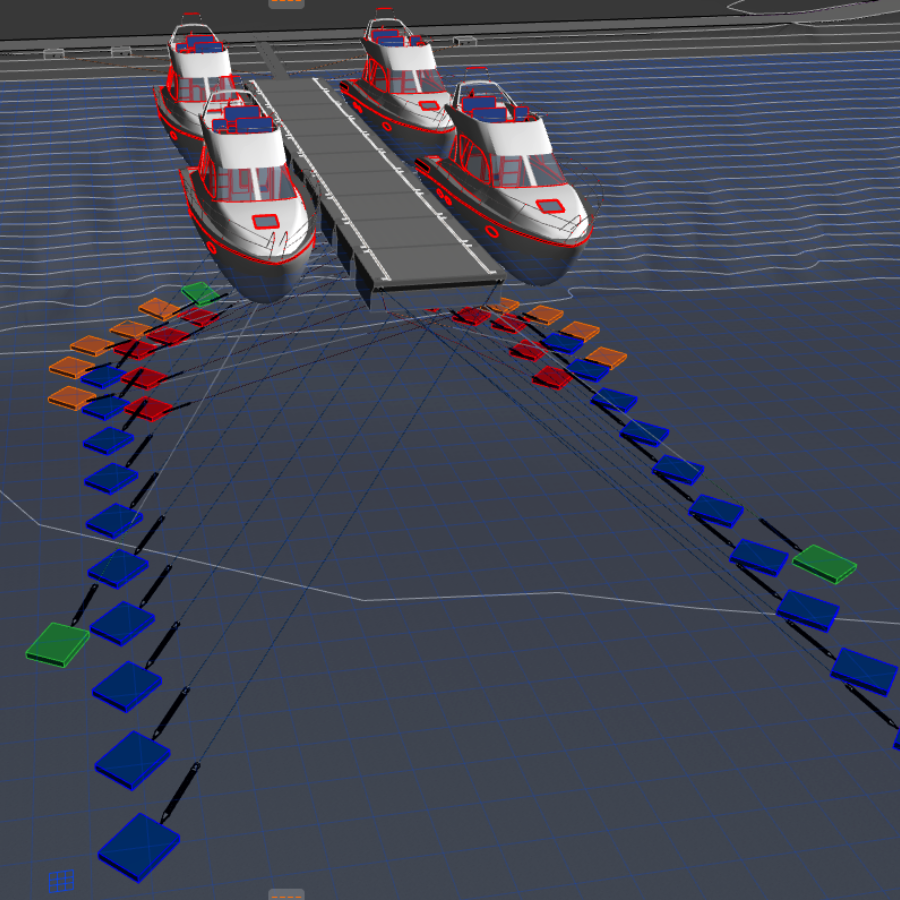
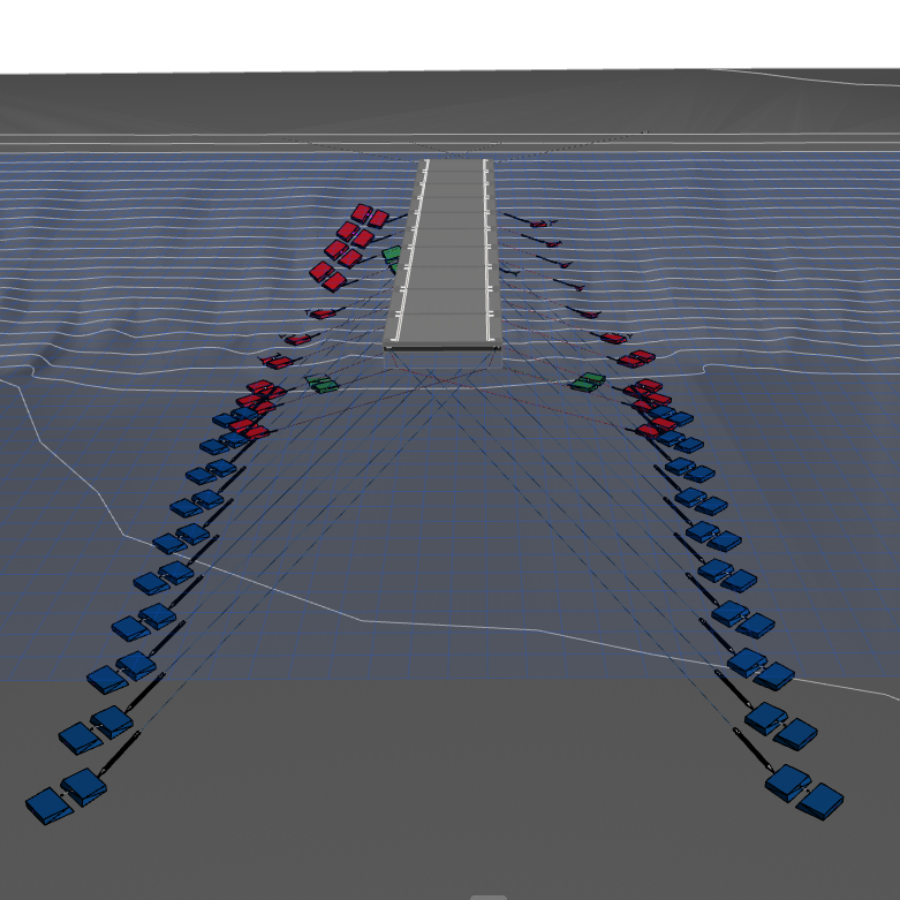
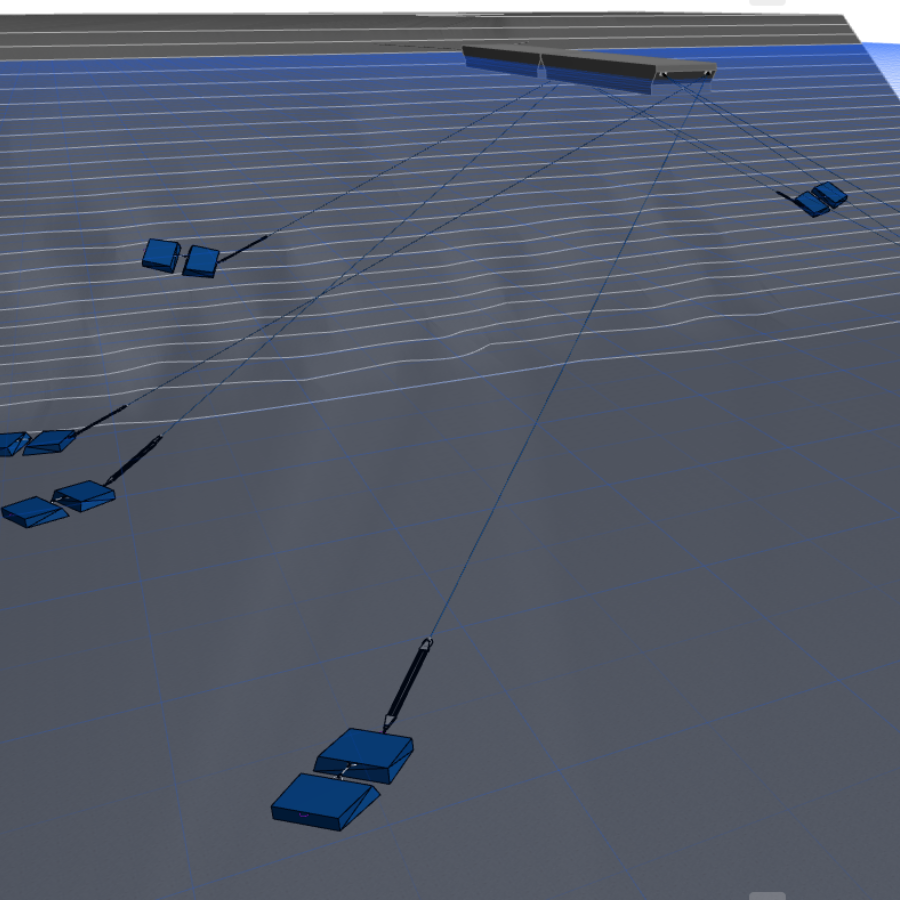
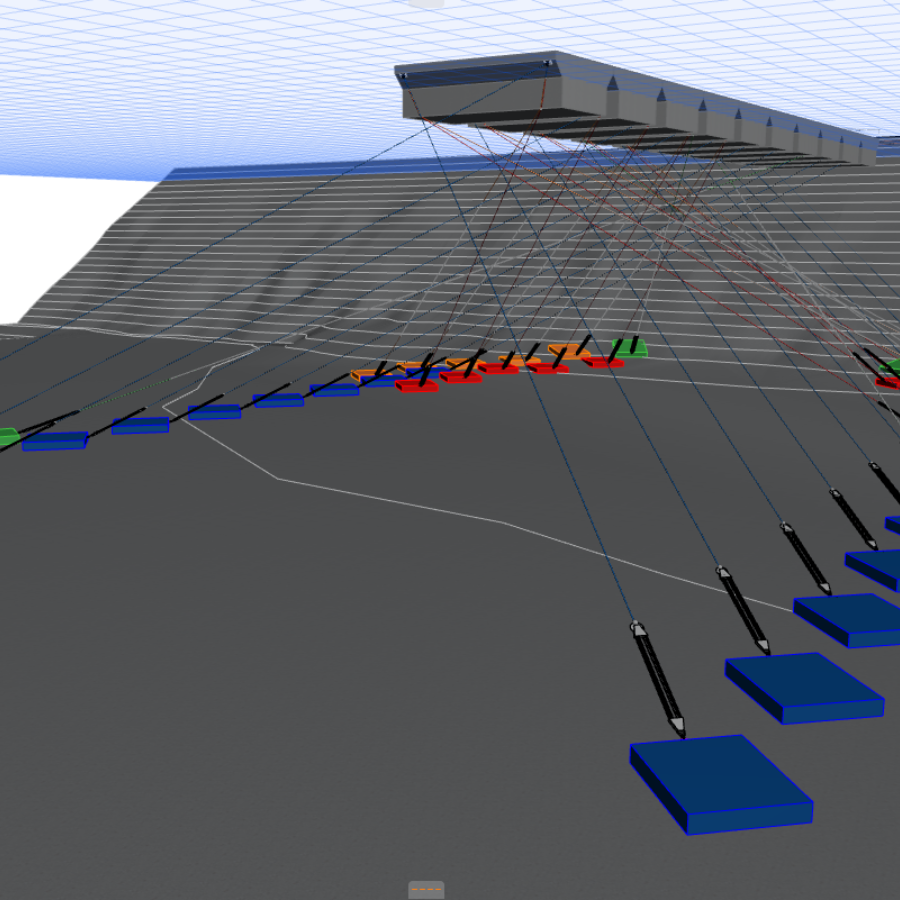
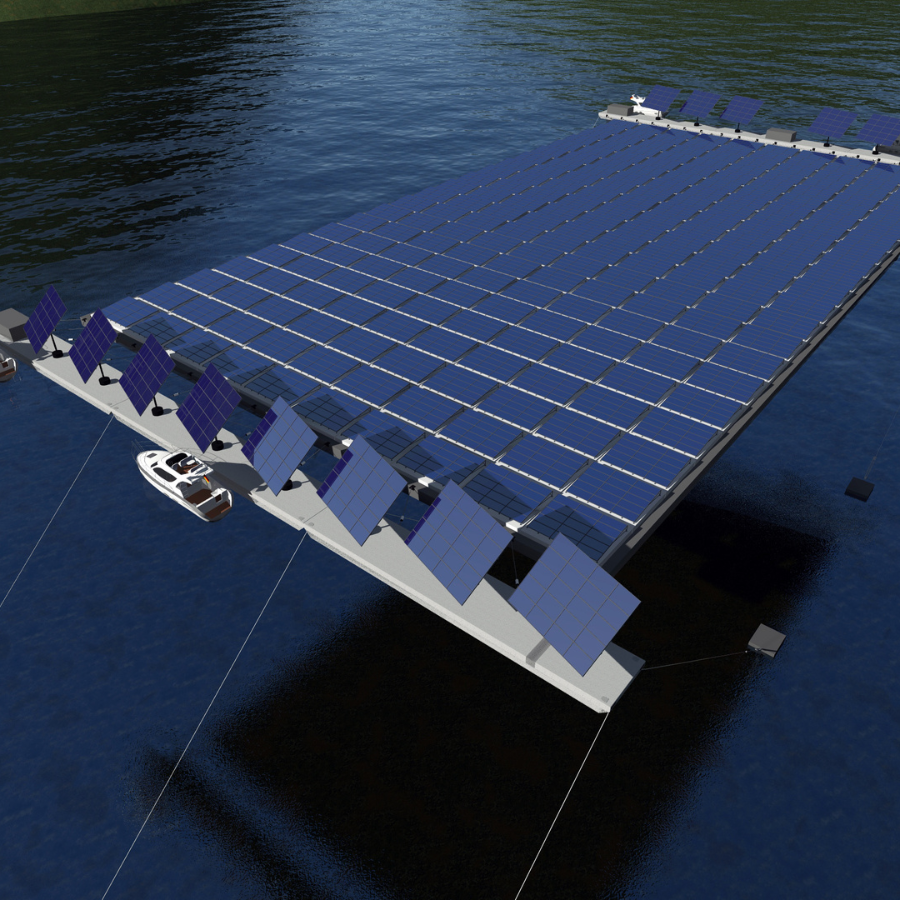
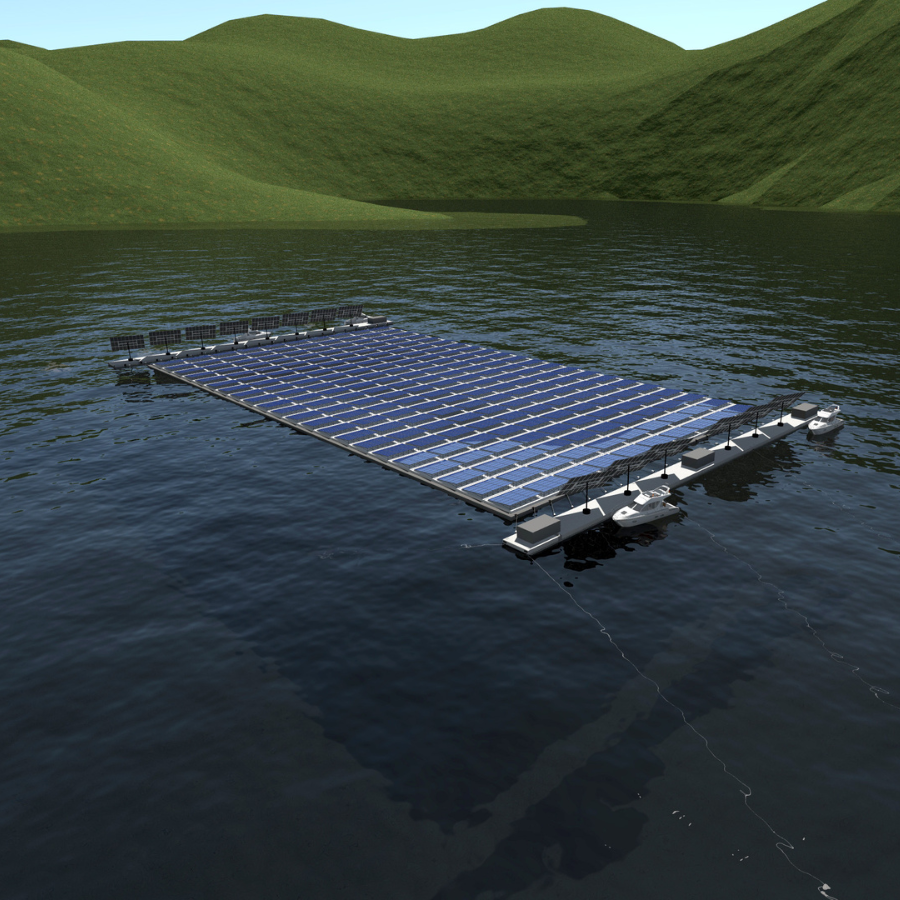
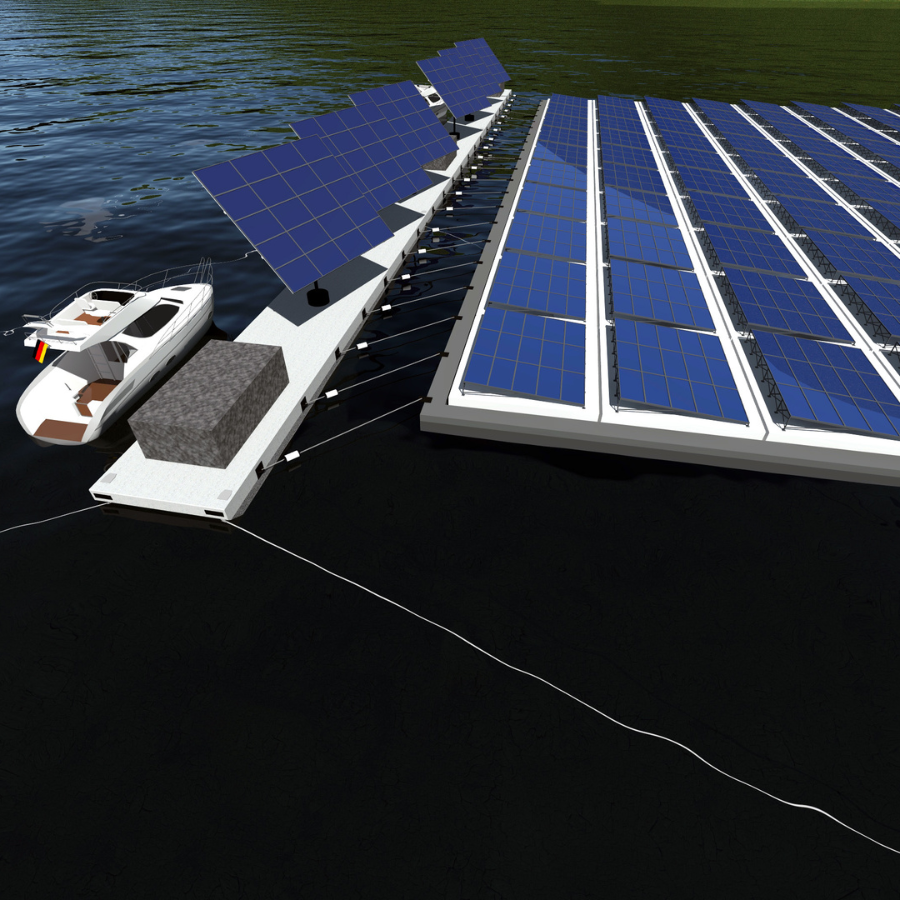
Elastic mooring systems are utilized to secure floating structures such as pontoons or breakwaters, replacing traditional chain and catenary systems. Unlike those conventional setups, an elastic mooring operates via a taut line consisting of an elastic element and a rope, which absorbs wave-induced movements and water-level fluctuations in a controlled manner.

This type of solution allows operators to monitor the trajectory of the mooring line at all times and adjust the system's performance based on expected site conditions.

Controlled mooring for floating structures Elastic Mooring Systems

Main function

To maintain floating structures in position using a flexible system that absorbs and dissipates the stresses generated by waves, wind, and water-level variations.

The elastic mooring system is engineered to control and absorb the dynamic loads generated by the marine environment, eliminating the need to rely on the weight and deformation of a long catenary mooring line.

Thanks to its elastic behavior, it significantly reduces peak loads transmitted to the floating structure and enhances overall response to waves, wind, and currents. This results in a more efficient system characterized by reduced wear and increased operational stability.

Furthermore, the reduced length required for the mooring lines optimizes the utilization of the water area and simplifies installation, which can be executed via underwater operations without the need for heavy auxiliary equipment.
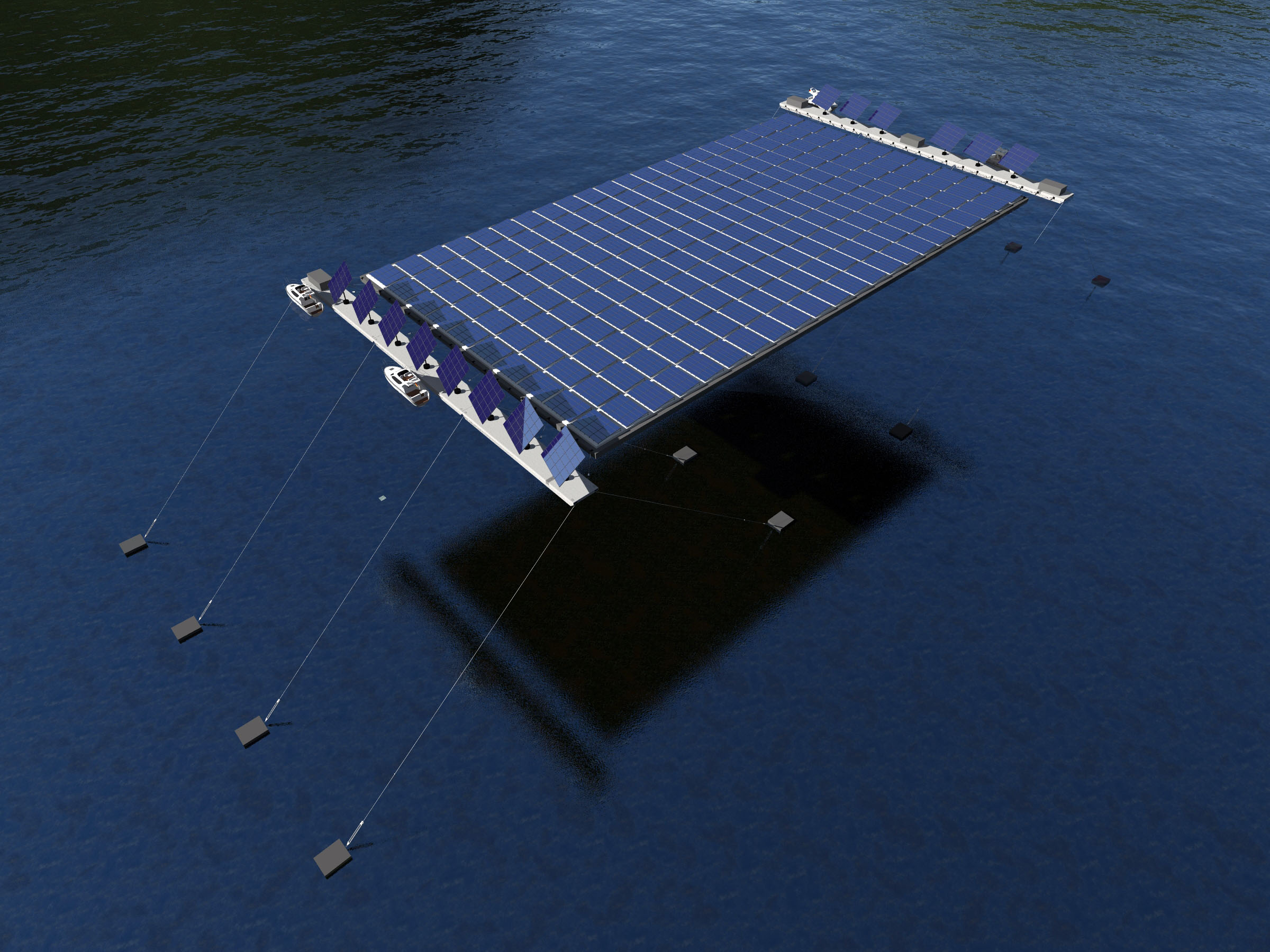
  • Mooring of floating pontoons in marinas and basins.
  • Anchoring of floating breakwaters in sheltered or semi-exposed areas.
  • Floating installations in port, industrial, or reservoir environments.

  • Requires suitable seabed anchors or deadweights
  • Must be dimensioned according to the water-level variation range and expected wave action
  • Allows installation via diving operations, eliminating the need for floating cranes or barges

  • Reduction of maximum stresses transmitted to the structure, thereby enhancing its durability.
  • Reduced water area footprint compared to traditional catenary systems.
  • Adjustable performance based on wave, tide, and operational conditions.
  • Enhanced efficiency in dynamic load absorption.
  • Simplified, lightweight installation adaptable to diverse environments.

Request an elastic mooring engineering study