Floating bases for open-sea operations

Offshore Platforms

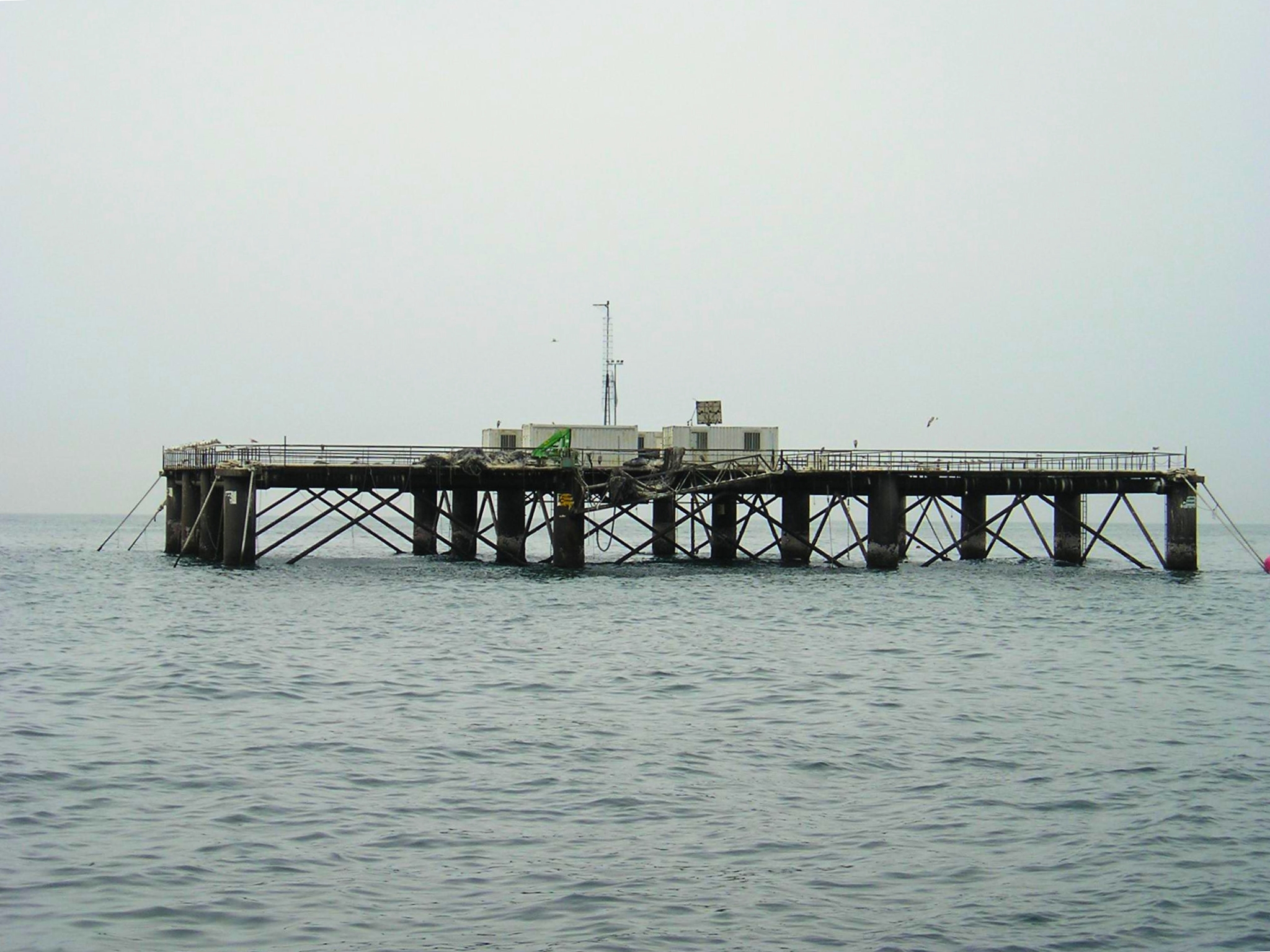
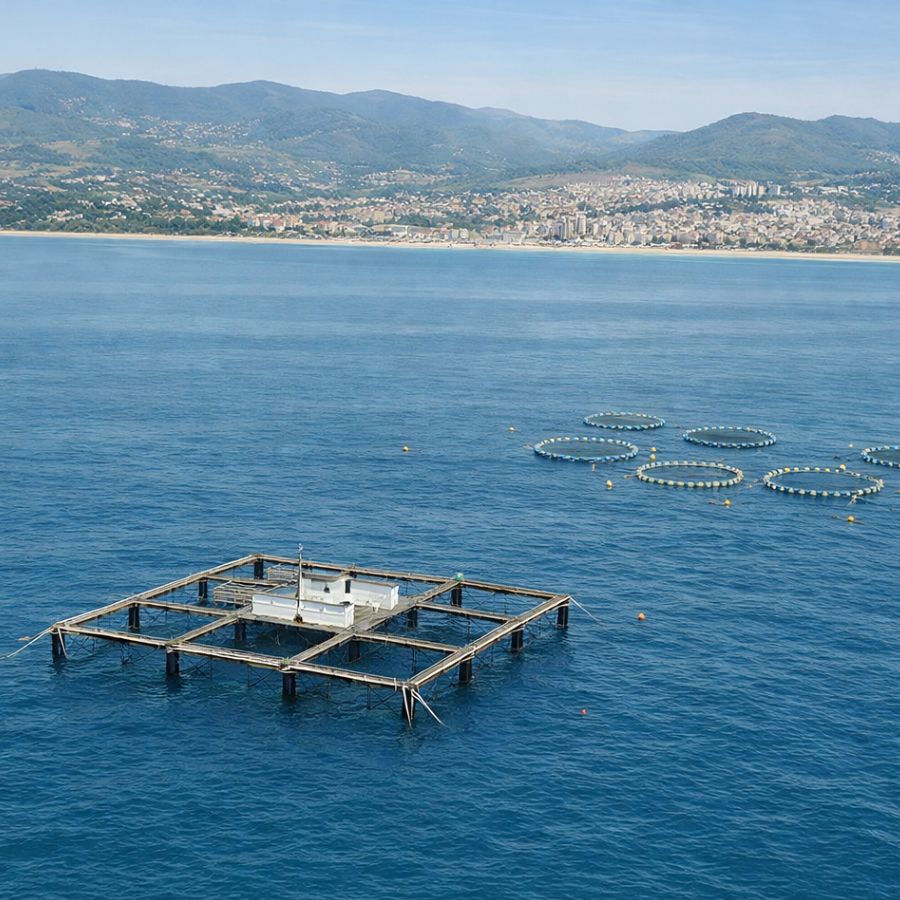
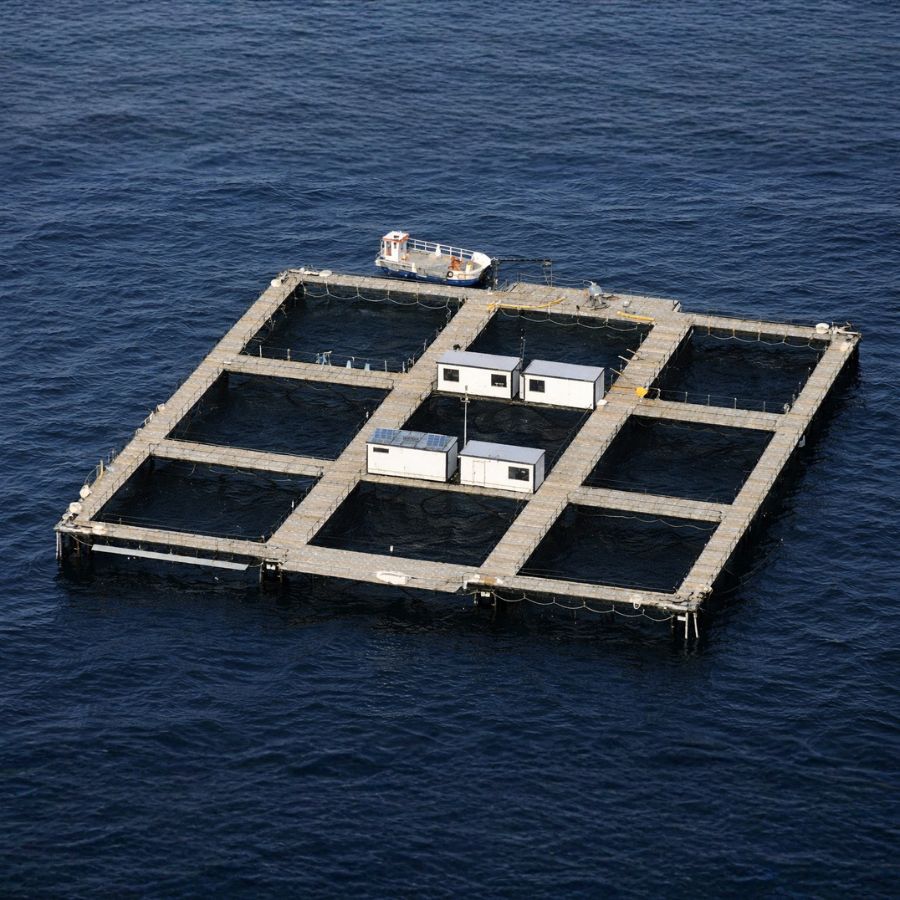
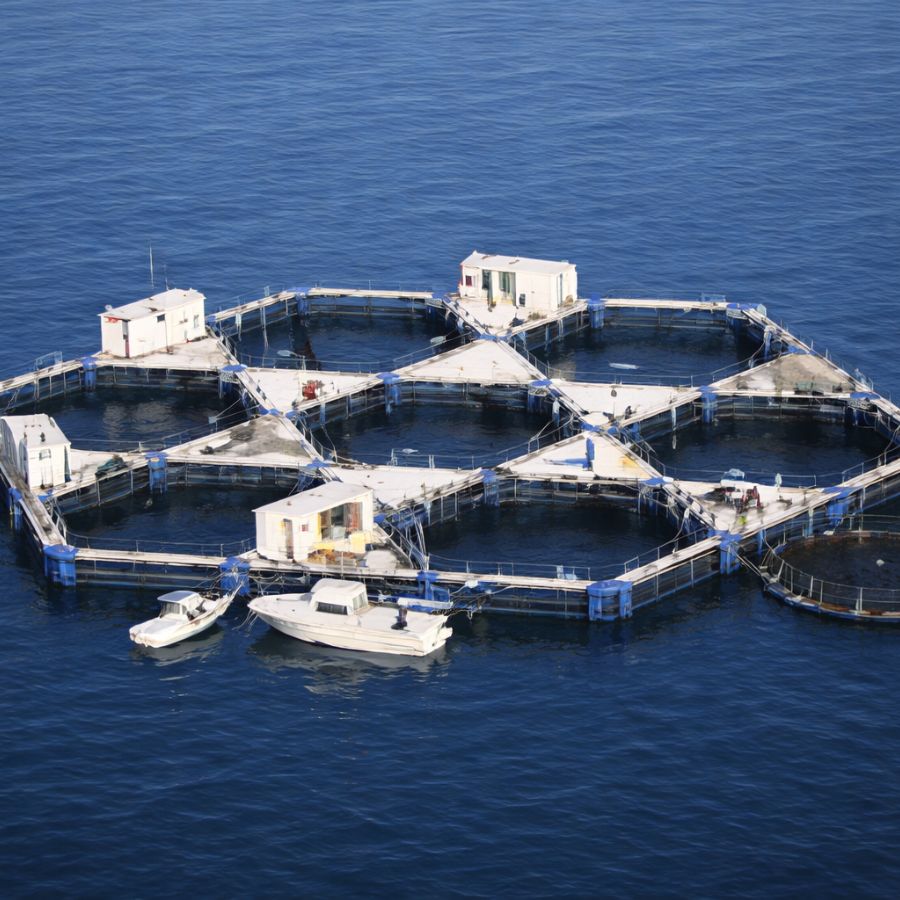
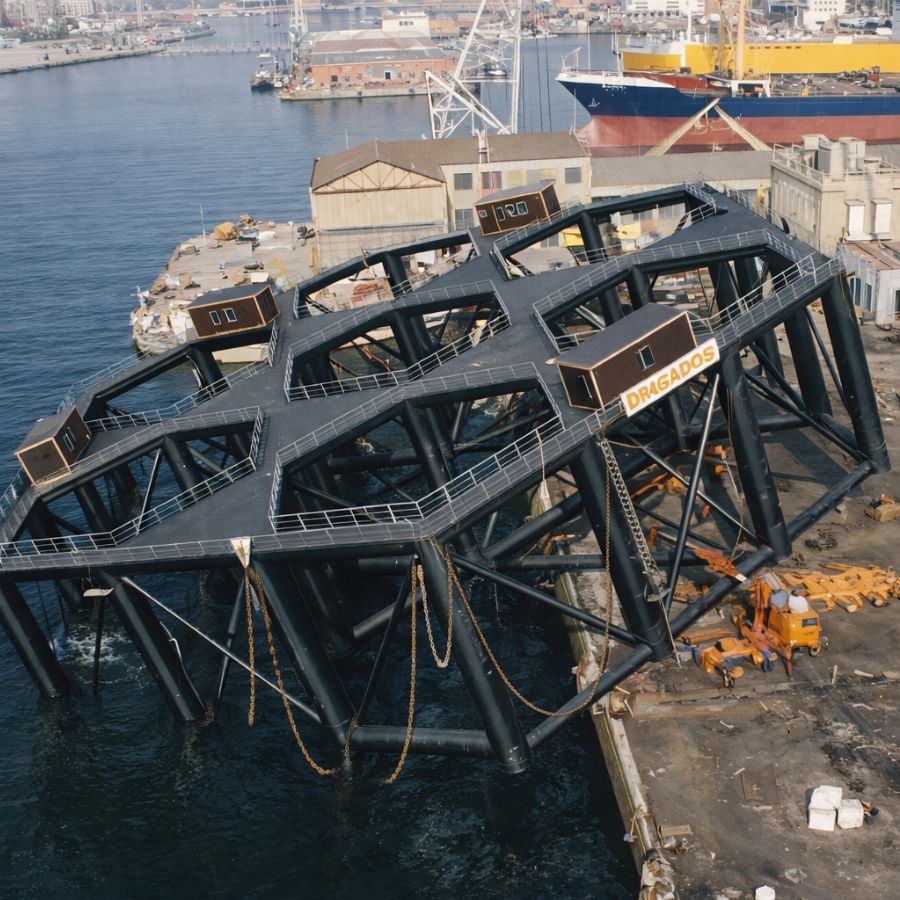
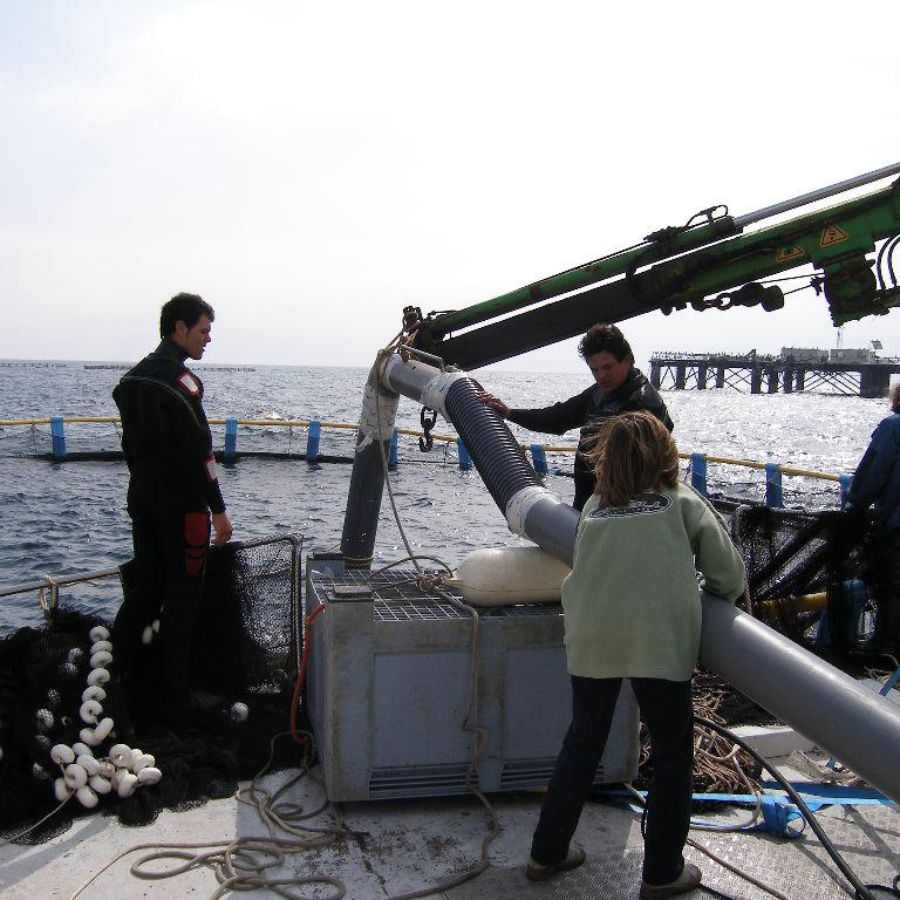
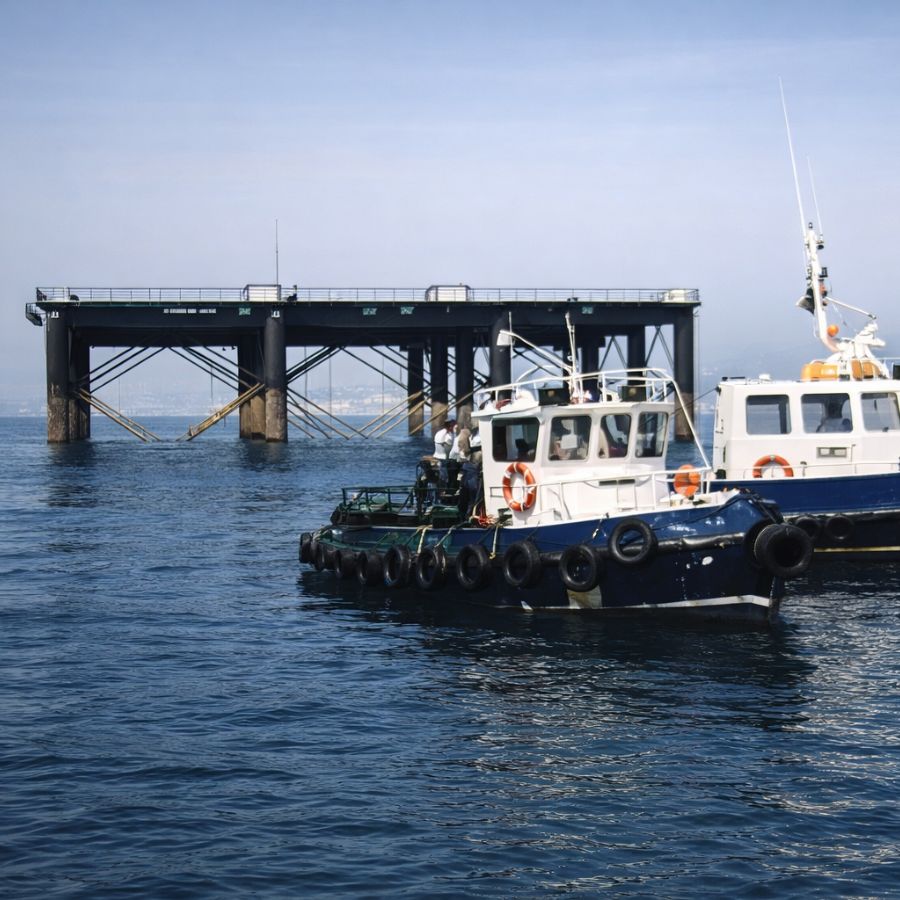
Offshore platforms are engineered to provide logistical and operational support for installations situated far from the coast, particularly within the open-sea aquaculture sector. Their configuration centralizes equipment, personnel, and services at a single point, facilitating the continuous development of operations.

These floating infrastructures are designed to perform under demanding conditions, delivering stability, autonomy, and efficiency in environments lacking nearby port alternatives.

Offshore Platforms

Main function

To provide a stable and operational floating base in open water that centralizes services, operations, and maintenance, thereby reducing reliance on onshore infrastructure.

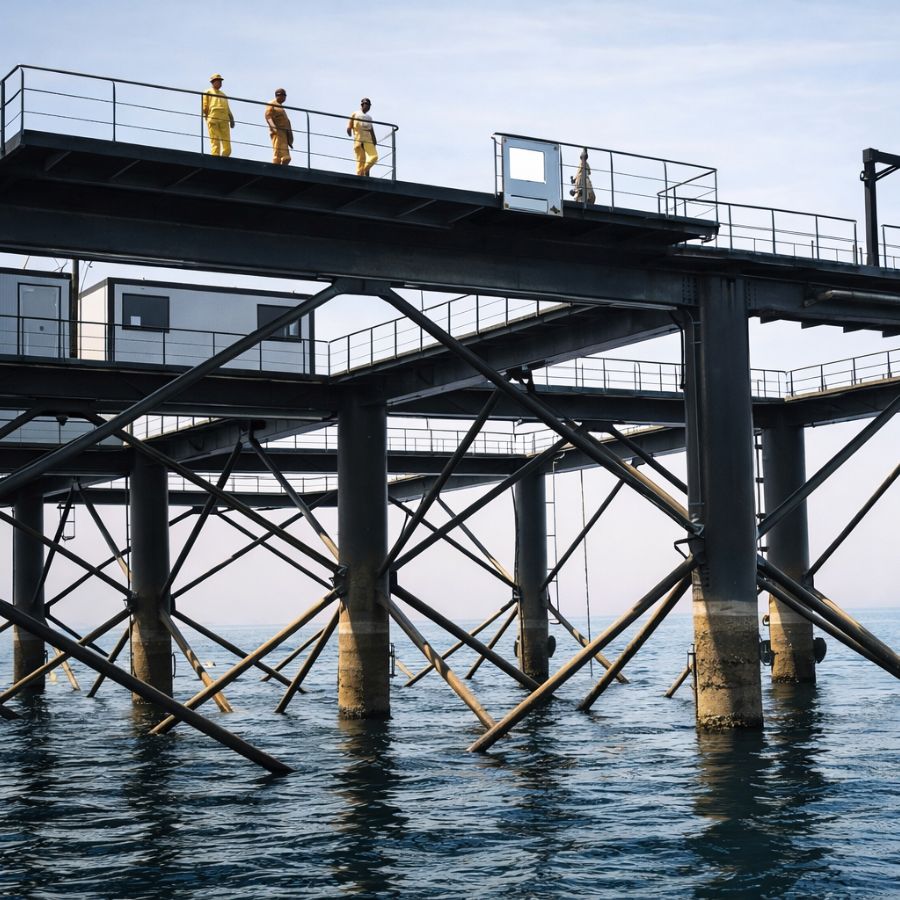
Offshore platforms are engineered as permanent floating infrastructures capable of operating under demanding open-sea conditions. They act as logistical nodes that concentrate the equipment, personnel, storage, and technical systems necessary for the continuous operation of remote coastal installations.

Their configuration optimizes daily operations, minimizes transit times from port, and ensures greater operational autonomy, particularly in environments without nearby natural shelter.

These solutions are tailored for projects requiring continuous open-sea support:

  • Offshore aquaculture, serving as an operational base for remote marine farms.
  • Floating technical bases for the maintenance, control, and monitoring of installations.
  • Support for energy infrastructures (offshore wind, experimental, etc.) and research projects.

Offshore platforms are conceived to operate in demanding environments where nearby infrastructure is absent:

  • Suitable for open-sea zones subject to direct wave action, wind, and currents.
  • Require specific structural design based on environmental conditions and operational loads.
  • Necessitate appropriate anchoring systems (mooring or combined) sized according to water depth, wave regime, and location.
  • Prior planning of logistics, access, and service autonomy (power, water, communications).

  • Centralization of open-sea operations, enhancing operational efficiency.
  • Significant reduction in logistical costs and transit times from port.
  • Enhanced autonomy and operational continuity in remote offshore installations.
  • Operational capability in areas lacking natural shelter or nearby port infrastructure.
  • Flexibility to adapt to diverse applications and technical configurations.

Request a technical study for offshore platforms